Pristina Travel Guide: What to See in Kosovo's Capital
Pristina travel guide: Newborn monument, Bill Clinton Boulevard, Mother Teresa Square, Grand Mosque, museums, food, nightlife, and a day trip to Prizren.
Guides for Pristina Travel Guide
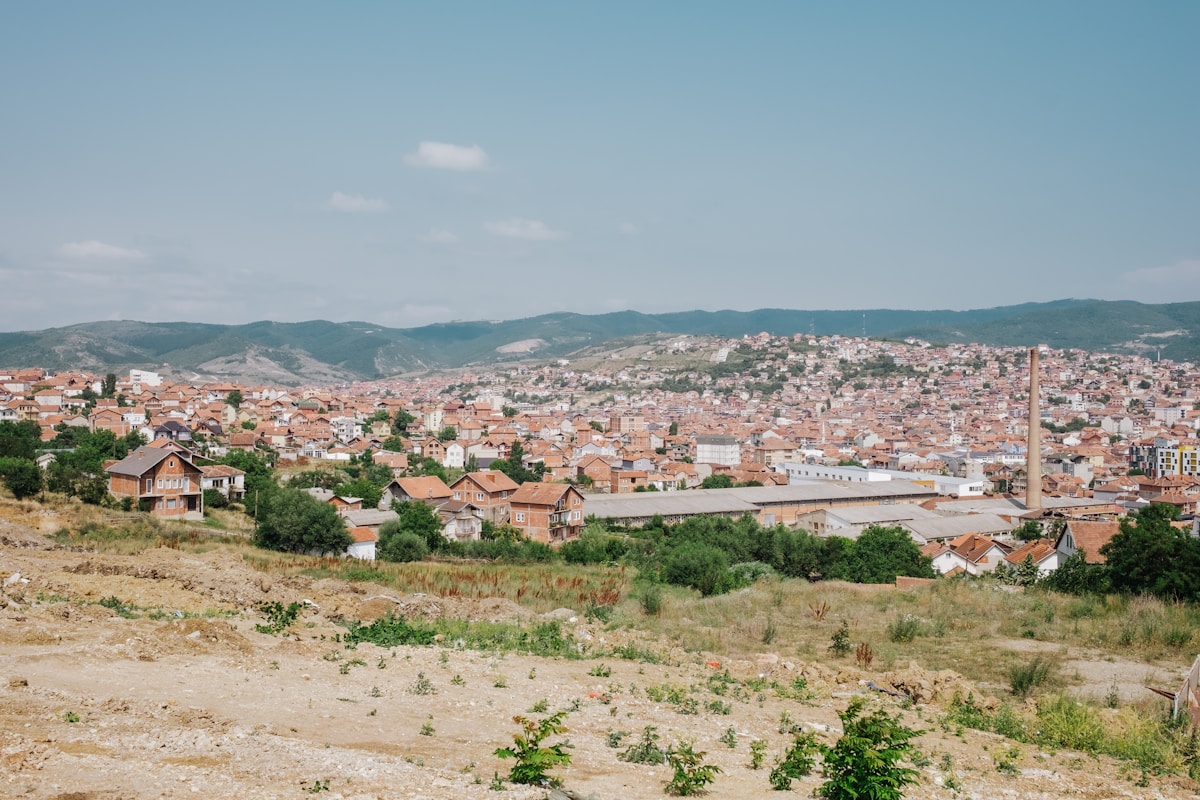
Pristina is a city that refuses to be what you expect. Kosovo’s capital is young in every sense - the country itself declared independence in 2008 - and the city is visibly mid-construction: new towers rising next to Ottoman mosques, a central pedestrian zone filling with café terraces, monuments to American presidents occupying prominent corners. It is not a perfectly polished destination, but it is genuinely interesting.
Most visitors pass through Pristina quickly, treating it as a logistics hub for Prizren day trips or onward travel. That is a fair choice, but worth noting that the city has more to hold your attention than a single day: the contrast between Ottoman, communist-era, and post-independence layers is visible on almost every block, and the café culture is surprisingly lively.
Getting to Pristina
From Skopje: Buses run throughout the day, journey time approximately 1.5–2 hours, cost around €10–15. This is the most common regional connection.
From Tirana: Bus journey, approximately 3.5–4 hours. The connection through the mountains crosses dramatic terrain.
By air: Pristina International Airport (PRN) handles direct flights from London, Vienna, Zurich, Frankfurt, and Istanbul among others. It is a small and manageable airport.
From Belgrade: Buses run but research the border situation and passport stamp implications before booking.
The Newborn Monument
The Newborn sculpture - large yellow block letters spelling the word - was unveiled on 17 February 2008 at the moment Kosovo declared independence, and it has been in the centre of Pristina’s public life ever since. Each year on Independence Day, the monument is repainted with a new design, reflecting a different theme chosen by the artists or a public vote. The designs are documented online and have ranged from political statements to abstract patterns.
It sits on Nëna Terezë Boulevard near the National Theatre and is the single most photographed landmark in Kosovo. Visit it at any time - the monument is public and open 24 hours - and check when it was last repainted if you want to know the current design.
Bill Clinton Boulevard and the Statue
Bill Clinton is a genuinely popular figure in Kosovo, credited with the NATO intervention in 1999 that halted Serbian military operations and led eventually to independence. A large statue of Clinton stands on the boulevard named after him, in an appropriately grandstanding pose. A few doors along, a women’s fashion boutique called Hillary sells its goods under a large portrait of Hillary Clinton.
This is not ironic. The entire stretch of the boulevard is lined with cafés and shops and is one of the livelier pedestrian axes in the city, connecting central Pristina to the surrounding neighbourhoods.
Mother Teresa Square
The main central square - Mother Teresa Square (Sheshi Nënë Tereza) - is named for the Catholic Albanian nun born in Skopje in 1910, who is claimed as an ethnic Albanian figure across Kosovo and Albania. The square is the heart of Pristina’s pedestrian zone, with fountains, café terraces, and the entrance to the main walking street.
It is a good orientation point and a natural place to start any walk through the centre. The surrounding streets - particularly Rruga Agim Ramadani and the surrounding lanes - have the densest concentration of cafés and small restaurants.
Grand Mosque (Xhamia e Mbretit)
The King’s Mosque (Xhamia e Mbretit) is the oldest building in Pristina, built in the 15th century during the Ottoman period. It sits near the central bazaar area and is one of the few older buildings in a city that was heavily redeveloped during the communist Yugoslav period. The mosque is an active place of worship; visitors are welcome outside of prayer times and should dress modestly.
National Museum of Kosovo
The National Museum of Kosovo (Muzeu Kombëtar i Kosovës) houses the main collection of archaeological and historical material from the region, including prehistoric finds from the Vinča culture, Byzantine-era artefacts, and material from the Ottoman period. The building itself is an interesting example of Yugoslav modernist architecture.
Opening hours vary by season - confirm before visiting. Entry is generally free or costs a nominal fee.
The National Theatre
The National Theatre of Kosovo (Teatri Kombëtar i Kosovës) operates a regular programme of productions in Albanian. Even without attending a performance, the area around the theatre - between Nëna Terezë Boulevard and the Mother Teresa Square - is one of the most active parts of the city centre.
Café Culture and Food
Pristina has a café culture that is disproportionately developed relative to the city’s size and age. Coffee shops fill from morning through to late evening, functioning as meeting places, work spaces, and social venues. Prices are low: an espresso or macchiato costs around €1, a large coffee €1.50–2.
For food:
- Burek from a local bakery is the cheapest and most reliable breakfast option - around €1–1.50 for a portion
- Tavernë/restorant options in the centre serve grilled meat dishes (qebapa, shish qebab, tavë kosi) at €5–8 for a full meal
- The area around Pejton neighbourhood has more upmarket cafés and bistros with a younger crowd
Alcohol is widely available despite the majority-Muslim population - Kosovo’s secular culture means bars and beer gardens operate openly in the centre.
Nightlife
Pristina has an active nightlife scene centred on the bars along the main pedestrian area and in the Arbëria district. Clubs and bars stay open late, and the city has a reputation for live music and DJ nights. It is the liveliest nightlife scene in the western Balkans after Tirana and Belgrade.
Day Trip to Prizren
The most useful thing you can do from Pristina is a day trip to Prizren. Buses depart regularly from Pristina’s central bus station (Stacioni i Autobusëve), the journey takes approximately 1.5 hours, and tickets cost around €3 each way. The last bus back leaves Prizren in the early evening.
Prizren’s Ottoman old town - the fortress, bazaar, Stone Bridge, mosque, and hammam - is far better preserved than anything in Pristina and gives a very different picture of Kosovo’s cultural history. Even if you only have one day in Kosovo, splitting it between a morning in Pristina and an afternoon in Prizren is a workable option.
See our Prizren travel guide for what to see and do there.
Getting Around Pristina
The city centre is walkable - most of the main sights are within 20 minutes on foot of Mother Teresa Square. Taxis are cheap and plentiful; a cross-city ride costs around €3–5. Ride-hailing apps including Bolt operate in Pristina.
Practical Notes
- Currency: Euro (EUR)
- Tipping: 10% in restaurants is standard; rounding up at cafés is normal
- ATMs: Widely available throughout the centre
- SIM cards: Available at the airport and in city-centre phone shops; coverage is good throughout Pristina
- Safety: Standard urban awareness applies. The centre is busy and generally safe at all hours.
Pristina guides
- Things to do in Pristina
- Where to stay in Pristina
- Best restaurants in Pristina
- Food to try in Pristina
- Best cafés in Pristina
See also
- Kosovo travel guide
- Best food in Kosovo
- Vegan food in Kosovo
- Prizren
- 5-day Kosovo itinerary
- Tirana vs Pristina
- Balkans travel costs
Plan your trip: Browse guided tours of Pristina to see what’s available, from walking tours to day trips. Hire a car if you want flexibility for the surrounding area, and cover your journey with Balkans travel insurance.
Book an experience
Top experiences in Pristina Travel Guide
Explore the best tours and activities in Pristina Travel Guide - instant confirmation, free cancellation on most bookings.