Albania's Flamingo Revolution: What Travellers Need to Know
Albania is experiencing its largest wave of civil unrest in decades, with tens of thousands of people marching through Tirana in what demonstrators have called the “Flamingo Revolution.” The movement began as an environmental campaign opposing a proposed €4 billion luxury coastal resort linked to Jared Kushner and Ivanka Trump on the ecologically protected Narta Lagoon - but has since widened into broader anti-government anger targeting Prime Minister Edi Rama.
The project would convert a former Soviet weapons site on the Sazan peninsula into a large-scale tourist development of more than 10,000 accommodation units, hotels, villas, and a marina, spread across 565 hectares. Critics say it would destroy one of Albania’s last intact wild coastal lagoons, which supports more than 2,500 species including migratory flamingos. The government has declined to halt the project.
What This Means for Visitors
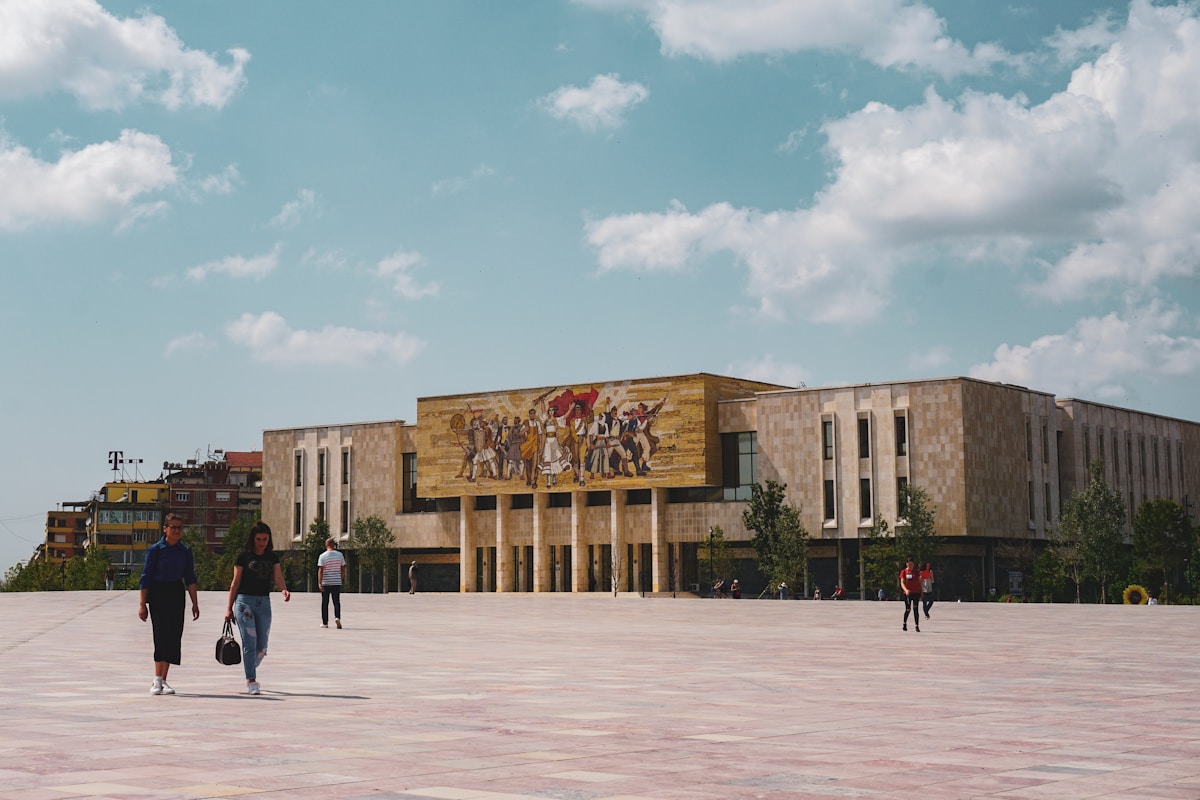
Protests have centred on Tirana’s main boulevards and Skanderbeg Square, with regular demonstrations on weekday evenings and larger marches at weekends. Demonstrations have generally been peaceful, though local transport links have experienced intermittent disruption.
If you are visiting Tirana during this period, avoid the main protest routes in the early evening, check local news sources before heading into the city centre, and give any crowd a wide berth regardless of its apparent mood. The situation remains fluid.
Travel outside Tirana - along the Albanian Riviera, in the north, or in the UNESCO towns of Berat and Gjirokastër - has not been significantly affected. Albania’s broader tourism industry continues to operate normally.
Background
The protests are the continuation of months of discontent that began in late May 2026, with the July 4–6 weekend seeing the largest turnout yet. No violence has been recorded directly linked to the demonstrations, but the political situation remains unresolved, and further marches are expected.
The UK, US, and EU foreign ministries have not issued updated travel advisories specifically tied to the protests, though standard guidance for Albania continues to recommend exercising increased caution. Check your own government’s travel advice page before departure.
For a full overview of safety conditions across the region, see our Balkans safety guide. If you are planning an Albania trip and want to understand what to expect on the ground, our Albania country guide covers essential arrival and transport information.