Best Time to Visit the Balkans 2026: Month-by-Month Guide
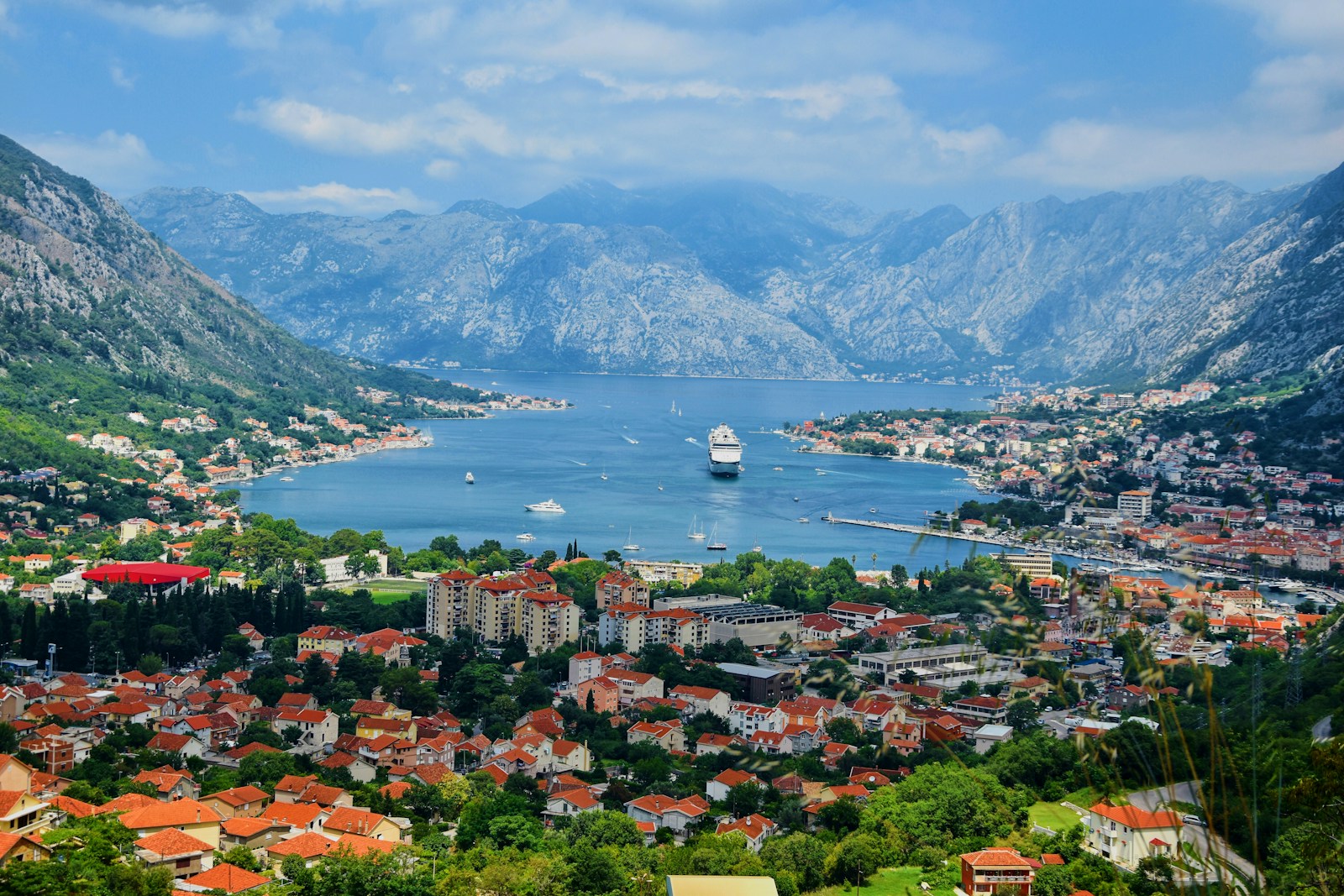
Most guides converge on the same answer: late May–June and September are the best overall months for a Balkans trip. Warm but not punishingly hot (often 22–28°C), manageable crowds compared to the July–August peak, and everything open — buses, ferries, mountain hiking facilities, and all the main attractions.
If you can only choose one month, most experienced Balkans travellers single out September: warm sea, thinning crowds, dropping prices, and the “golden light” that photographers talk about.
Month-by-month overview
| Month | Weather and feel | Best for |
|---|---|---|
| March | Cool, still wintry in mountains; spring blossoms start on the coast | Off-season city trips, fewer crowds, some coastal routes and smaller establishments may be closed |
| April | Mild, good for walking; coastal towns waking up | Hiking-heavy routes, spring landscapes, cheaper shoulder-season prices |
| May | Warm, long days, pleasant; one of the top-rated months overall | First-timers who want warm weather, manageable crowds, and full infrastructure |
| June | Beginning of peak season; warm inland, coast still pleasant | City-and-coast hybrids; crowds and prices start rising |
| July | Hottest month; coastal resort culture in full swing | Beach-first trips; higher prices and largest crowds |
| August | Similar to July, peak summer everywhere | Busy coastal routes; inland cities get very hot |
| September | Warm, sea at its warmest; crowds thinning, prices easing | Best all-rounder: beach, cities, and mountain hiking in one month |
| October | Cooler, autumnal; milder coast, chilly mountains | Wine-harvest itineraries, food-focused trips; some mountain routes may close |
| November–February | Winter; snow in the mountains | Ski trips, Christmas-market routes, very quiet cities (some seasonal closures) |
Best time by trip type
Classic sightseeing and cities trip
A mixed-city route (Skopje, Sarajevo, Belgrade, Dubrovnik, Kotor, Split) works best in late May–June or September. Everything is open, weather is comfortable, and crowds haven’t hit the July–August level.
Beach-first coastal trip (Croatia, Montenegro, Albania)
June–August gives the warmest water and full resort infrastructure. If you want beach but not maximum crowds, June and September are the most balanced choices — the sea is still warm but the beach-bar intensity is lower.
Hiking and mountain trips (Peaks of the Balkans, Durmitor, Rila)
April–early June and September–October are generally better than mid-summer for serious hiking. Milder temperatures and fewer trail crowds in spring and autumn. July–August can be too hot for long-day hikes at lower elevations.
Winter trip (skiing, Christmas markets)
December–February works for skiing in Serbia, North Macedonia, Bosnia, and Bulgaria, and for Christmas markets in Belgrade, Sarajevo, and Skopje. Coastal routes are largely seasonal or shut.
Weather, crowds, and price reality
Weather sweet spot: Spring (April–June) and autumn (September–October) consistently have the best balance of warmth, light, and comfort.
Crowd pattern: July–August is busiest, especially on the Adriatic and Aegean coasts and in major cities like Dubrovnik and Sarajevo. May, June, and September see manageable crowds with everything still open.
Price effect: Late May through June and much of September often see prices 20–30% lower than peak July, while the sea temperature remains excellent. This makes May–June and September the best value months across the region.
Practical notes
- Dubrovnik is significantly busier and more expensive in July–August than any other time. If Dubrovnik is on your list, June or September makes a noticeable difference.
- Lake Bled, Plitvice, and Kotor follow the same crowd pattern — worth arriving early morning in July–August or shifting to shoulder months.
- Albanian Riviera is best in June and September. July–August brings prices close to Western European resort levels; off-season (May or October) gives empty beaches and lower prices but some facilities closed.
- Sarajevo and Belgrade are comfortable year-round for city visits; winter is cold but atmospheric.
Frequently Asked Questions
- What is the best time to visit the Balkans in 2026?
- May–June and September are the best overall months — warm weather, manageable crowds, and everything open across the region.
- Is there a best single month for the Balkans?
- September: warm, sea at its warmest, crowds thinning, and prices dropping after the peak-summer surge.
- When is the best time for a 7-day Balkans route?
- Late May–June or September. Good weather, lower crowds than July–August, and all transport and facilities operating.
- When is the best time for Balkans beaches?
- June–August for warmest water and full beach infrastructure. June and September for the best balance of warmth and manageable crowds.
- Is winter a good time to visit the Balkans?
- Good for skiing (December–February in the Balkan mountain resorts) and Christmas-market city trips. Not suitable for coastal or beach-focused travel.
- Which months are the busiest in the Balkans?
- July and August, particularly along the Adriatic and Aegean coasts and in popular cities like Dubrovnik, Sarajevo, and Skopje.
- When is the best time for hiking in the Balkans?
- April–early June and September–October: milder temperatures, fewer crowds, and most high-mountain routes fully accessible.