Solo Travel in the Balkans: Everything You Need to Know
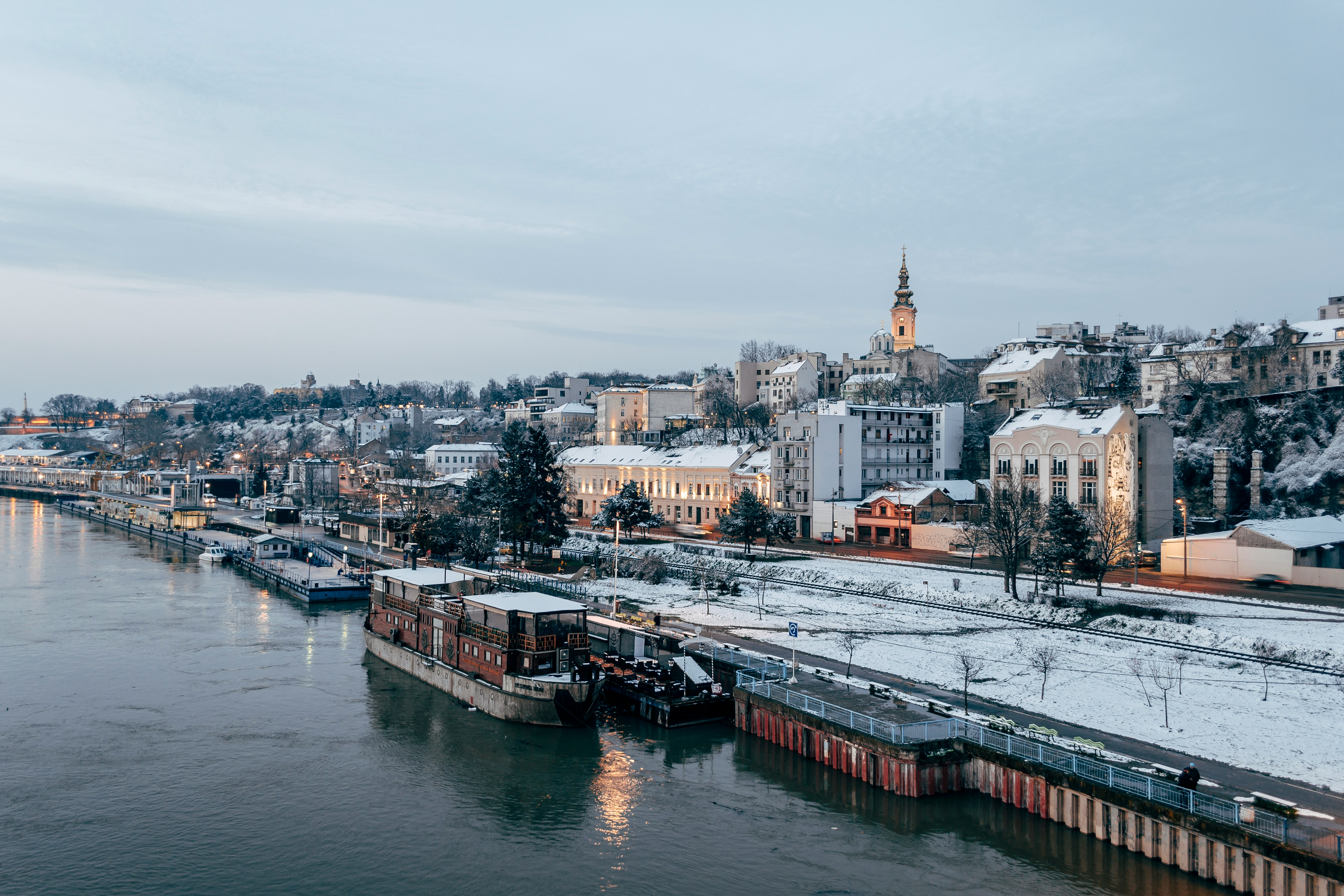
The Balkans is one of the most rewarding regions in Europe for solo travel. The backpacker circuit between Belgrade, Sarajevo, Mostar, Kotor, and Dubrovnik is well-worn and well-served - hostels are genuinely social, transport connections are reliable, and costs are low enough that you can move at your own pace without burning through a budget in days.
Is the Balkans Good for Solo Travel?
Directly: yes. This is a region built for independent travel. The classic Balkans circuit - entering from Budapest or Thessaloniki, looping through Serbia, Bosnia, Montenegro, and Croatia, or vice versa - has been a backpacker staple for over two decades. Infrastructure has improved steadily: Flixbus now connects most capitals, hostel quality has risen sharply, and English is spoken widely enough that navigating solo is rarely difficult.
The mix of cultures, landscapes, and prices across six countries within a compact geographic area makes it particularly well suited to solo travel. You can be in the streets of Belgrade one evening and in Sarajevo’s Baščaršija quarter two days later. Going alone means you set the pace entirely.
Safety for Solo Travellers
The Balkans has an outsized reputation for instability that doesn’t match the 2026 reality. The wars of the 1990s are three decades past. For solo travellers, the region is broadly as safe as Central and Southern Europe - petty theft in tourist areas is the main risk, not violence.
One genuine exception: in Bosnia and Herzegovina, landmines from the 1990s conflict are not fully cleared. This is not a risk in cities or on established hiking routes, but if you’re trekking off-trail in rural or mountain areas - particularly in central and eastern Bosnia - stick to marked paths and check with local guides. The Mine Action Centre of Bosnia and Herzegovina maintains maps of affected zones.
Solo Female Travel in the Balkans
Straightforwardly, most women travelling solo in the Balkans report feeling comfortable and safe. Belgrade’s nightlife is diverse and women-friendly; Sarajevo’s café culture is relaxed and sociable; Split and Dubrovnik attract enough international visitors that solo female travellers are unremarkable.
Rural and more conservative areas - particularly in parts of Albania and Kosovo - are a different context. Attracting prolonged attention or unsolicited conversation is more common. This doesn’t mean unsafe, but it does mean dressing more modestly in smaller towns, being aware of local norms around women being in cafés or bars alone, and exercising the same situational awareness you’d apply anywhere unfamiliar.
Standard precautions apply throughout: share your itinerary, keep a local SIM active, and avoid flagging that you’re alone to strangers you’ve just met.
How to Meet People in the Balkans
This is one of the region’s genuine strengths. Solo travellers rarely stay solo for long.
Belgrade is the social hub of the Balkans backpacker circuit. Hostels like Hedonist Hostel and Generator Belgrade organise bar crawls and pub nights that bring mixed groups together quickly. The Savamala neighbourhood’s cluster of bars - 20/44, Kombinat, Gadost - makes it easy to fall in with other travellers or locals in an evening. St. Patrick’s Irish pub near Skadarlija is another well-known meeting point. Belgrade has a large digital nomad community as well; Startit Centar runs coworking meetups open to visitors, and “Expats in Serbia” on Facebook is active with events most weeks.
Sarajevo has a thriving Couchsurfing meetup scene - the community here is one of the most active in the Balkans, with regular meet-ups in cafés around Ferhadija street. The city’s compact old town means solo travellers naturally cross paths repeatedly over a day or two.
Mostar’s Hostel Majdas has a reputation - going back years - as a meeting point for people doing the Balkans circuit. The rooftop terrace functions as an unofficial community space most evenings during the travel season.
Dubrovnik and Split host pub crawls through the summer (June to September) that bring international visitors together - typically 20–40 people per night. These are organised through hostel noticeboards and Walking Through History tours in Dubrovnik. Very social, though firmly seasonal.
Skopje’s Old Bazaar (Čaršija) is a naturally sociable environment. The backpacker cafés around the bazaar attract travellers lingering over coffee, and the hostel scene in Skopje is small enough that you tend to meet the same people repeatedly.
For longer social connection, organised multi-day Balkans tours - covering three to five countries over seven to fourteen days - are one of the most effective ways to meet people travelling the same route. Operators including G Adventures and Busabout run circuits in the region.
Best Bases for Solo Travellers
Belgrade is the strongest base for solo travellers. Excellent hostel infrastructure, low costs (a dorm bed from approximately €12–18 as of 2026), great transport connections to the rest of the region, and a nightlife scene that is accessible and relatively safe for solo visitors. Day trips to Novi Sad are straightforward by train or bus.
Sarajevo rewards two to three nights. The compact old town is walkable and safe, the food is excellent value (a full meal at Dveri or Inat Kuća from approximately €8–12), and the city’s history makes it one of the most affecting stops on the circuit. The surrounding hills and Tunnel of Hope are manageable as solo day trips.
Mostar suits a one- to two-night stop rather than a full base - the old town is small and can feel tourist-heavy in peak summer. Its value is as part of a broader Bosnia section, combined with Sarajevo.
Kotor in Montenegro works well as a solo base for exploring the Bay of Kotor and the surrounding Lovćen mountains. The old town is tiny and very walkable; costs are higher than Bosnia or Serbia but still below Western European levels.
Group Tours Worth Taking
A few itinerary sections suit a guided group tour even for travellers who prefer independence elsewhere.
Day trips from Split to Mostar are one of the most popular options on the circuit - the journey involves a border crossing and coordination that is easier in a small group than alone by bus. Tours typically run approximately €35–55 per person including transport and a guided walk of the old town. See current options for tours from Split and Mostar.
Multi-day Balkans tours covering Serbia, Bosnia, and Croatia are a practical choice for tight schedules or anyone who wants social company built in from the start.
Practical Solo Tips
Budget: €30–50/day covers a dorm bed, breakfast, two meals, and local transport in Serbia, Bosnia, and North Macedonia. Croatia and Montenegro run higher - budget €45–70/day. See our full Balkans travel costs guide for a country-by-country breakdown.
Transport: Flixbus is the primary intercity connection across the region and is reliable, affordable, and bookable in advance. Serbia and North Macedonia have functional rail, but buses are generally faster. Border crossings by bus are routine - carry your passport, expect 20–45 minutes at busy crossings.
Currencies: Montenegro and Kosovo use the euro. Croatia has used the euro since 2023. Serbia uses the dinar, Bosnia the convertible mark (BAM, pegged to the euro), Albania the lek, and North Macedonia the denar. ATMs in all cities are reliable. Carry some local cash for smaller towns and rural areas.
SIM cards: A local SIM or regional eSIM is worth getting from the start - navigation, translation, and transport booking all depend on data. Romanian or Serbian operators often have the best regional coverage across borders.
Solo safety admin: Tell someone your rough itinerary. A shared Google Doc updated every few days takes 90 seconds and is a sensible habit. Most Balkans solo travellers never need it, but it costs nothing to maintain.
Best Time to Go Solo
May–June and September are the strongest months for solo travel. The social hostel scene is active, weather across the region is consistently good (20–28°C in most cities), and coastal areas in Croatia and Montenegro haven’t reached peak-season prices or crowds. This is when the backpacker circuit feels most alive.
July and August bring the heaviest crowds to Dubrovnik, Split, Kotor, and the Croatian islands. Prices spike sharply, and popular hostels fill up quickly - book weeks ahead. The interior - Belgrade, Sarajevo, Skopje - remains more manageable.
October still works well for cities and is increasingly used by experienced solo travellers who want lower prices and fewer crowds. The Dalmatian coast starts closing down after the first week or two, but the Balkan interior is comfortable through most of the month.
For a full picture of what to expect month by month, see our best time to visit the Balkans guide.
See also
- Planning a Balkans trip
- Balkans safety guide
- Solo female travel in the Balkans
- Balkans travel costs
- Balkans transport guide
- First time in the Balkans
- Serbia travel guide
- Croatia travel guide
Plan your trip: Search flights to the Balkans · Travel insurance · Balkans eSIM via Airalo · Tours & activities
Book an experience
Top tours to book now
Already planning? These are the most popular experiences for this destination.
Frequently Asked Questions
- Is the Balkans good for solo travel?
- Yes. The Balkans is one of Europe's best solo travel regions - affordable, safe, and with a well-established backpacker circuit connecting Belgrade, Sarajevo, Mostar, Dubrovnik, Kotor, and beyond. Hostels are social, transport connections are frequent, and English is widely spoken in cities.
- Is solo female travel safe in the Balkans?
- Largely yes. Cities including Belgrade, Sarajevo, Split, and Skopje are safe for women travelling alone, including at night. Rural and conservative areas require the same awareness you'd apply anywhere. Stick to well-lit streets, trust your instincts, and dress modestly in more traditional communities.
- How much does solo travel in the Balkans cost per day?
- Budget solo travellers typically spend €30–50 per day covering a dorm bed, meals, local transport, and entry fees. Staying in private rooms, eating more frequently in restaurants, and doing organised day tours will push this toward €70–90.