Croatia Travel Guide 2026: Dubrovnik, Split, Istria & the Islands
Croatia travel guide 2026: Dubrovnik walls, Split's Diocletian's Palace, Plitvice Lakes, Hvar, and Rovinj with transport, costs, and itinerary ideas.
Cities & regions





Country guides
Croatia sits on the eastern Adriatic with a coastline of over 1,700km, more than 1,200 islands, and a string of historic port cities that range from the walled spectacle of Dubrovnik to the Roman core of Split and the Venetian hill towns of Istria. It adopted the euro in January 2023 - all prices on this site are in euros (€).
Where to go in Croatia
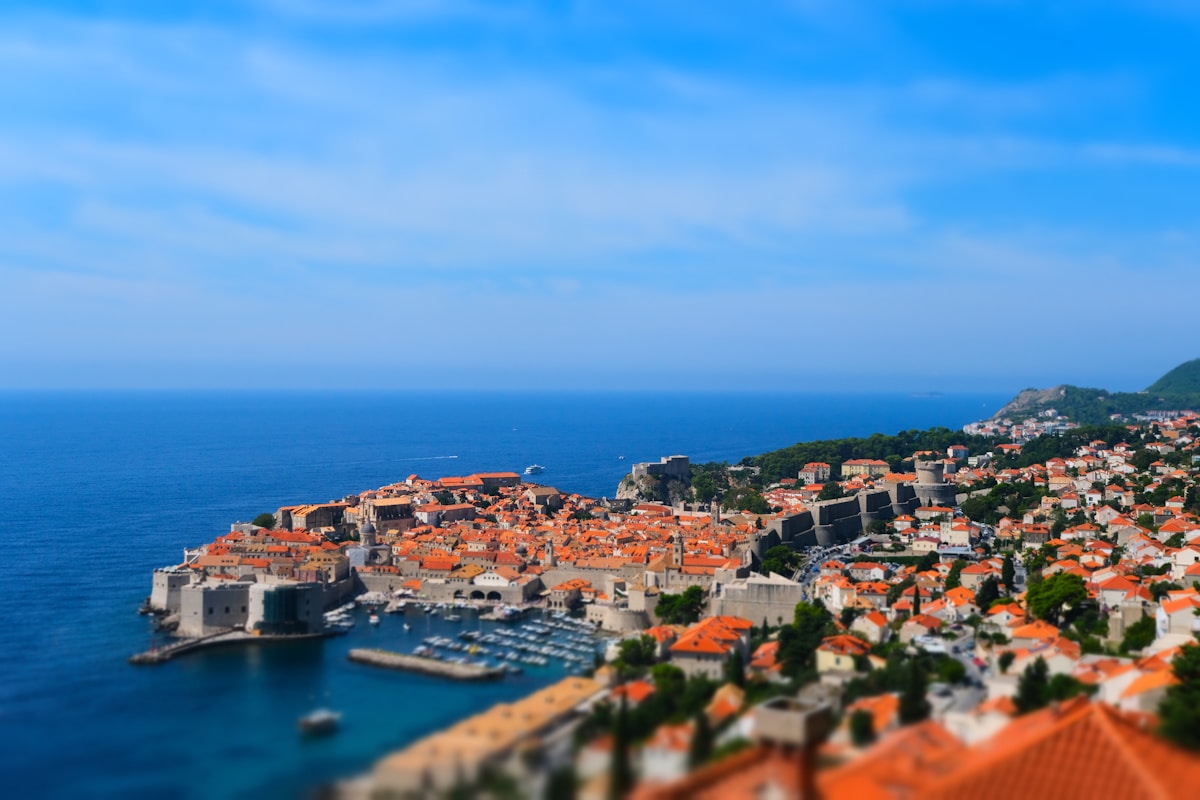
Dubrovnik
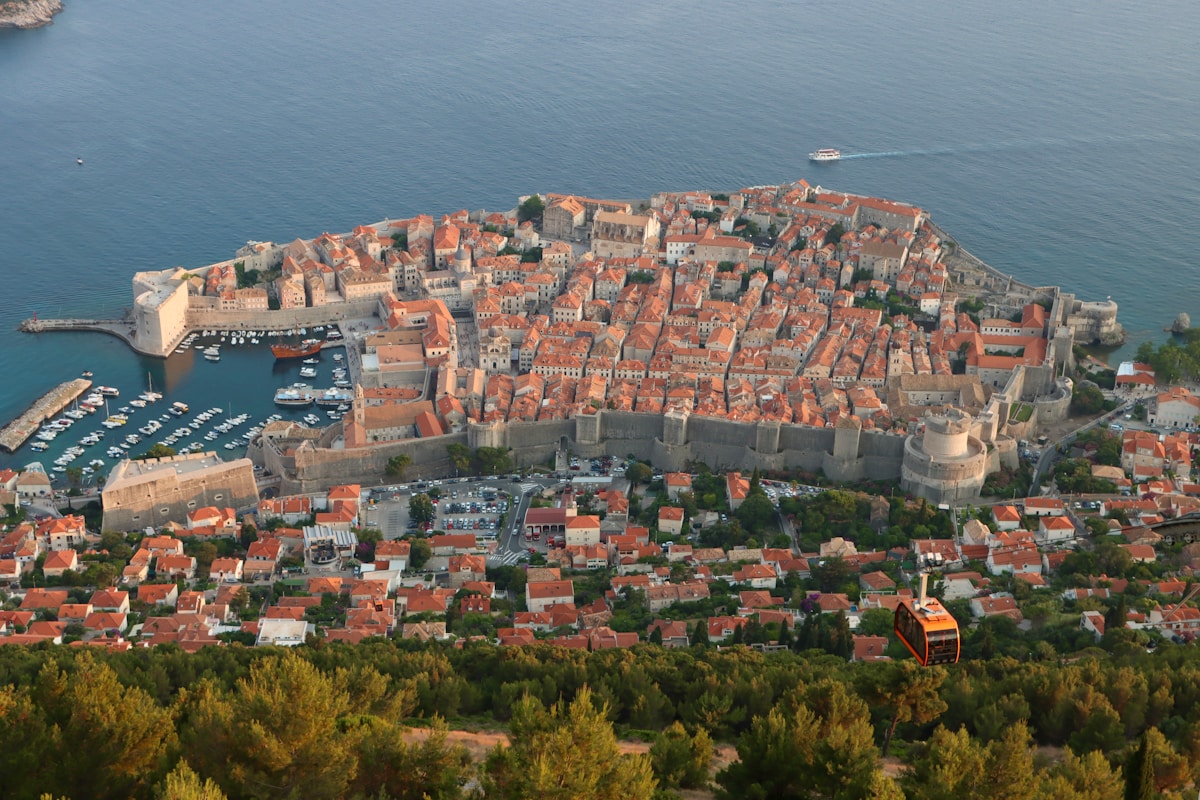
The most visited city on the Adriatic. The medieval city walls (€30–35 to walk), the Game of Thrones filming locations, and the cable car up to Mt. Srđ make it one of the most photographed destinations in Europe. Book city wall entry in advance - tickets sell out on busy summer days. Best visited in shoulder season (May, October) to avoid July–August crowds.
Split
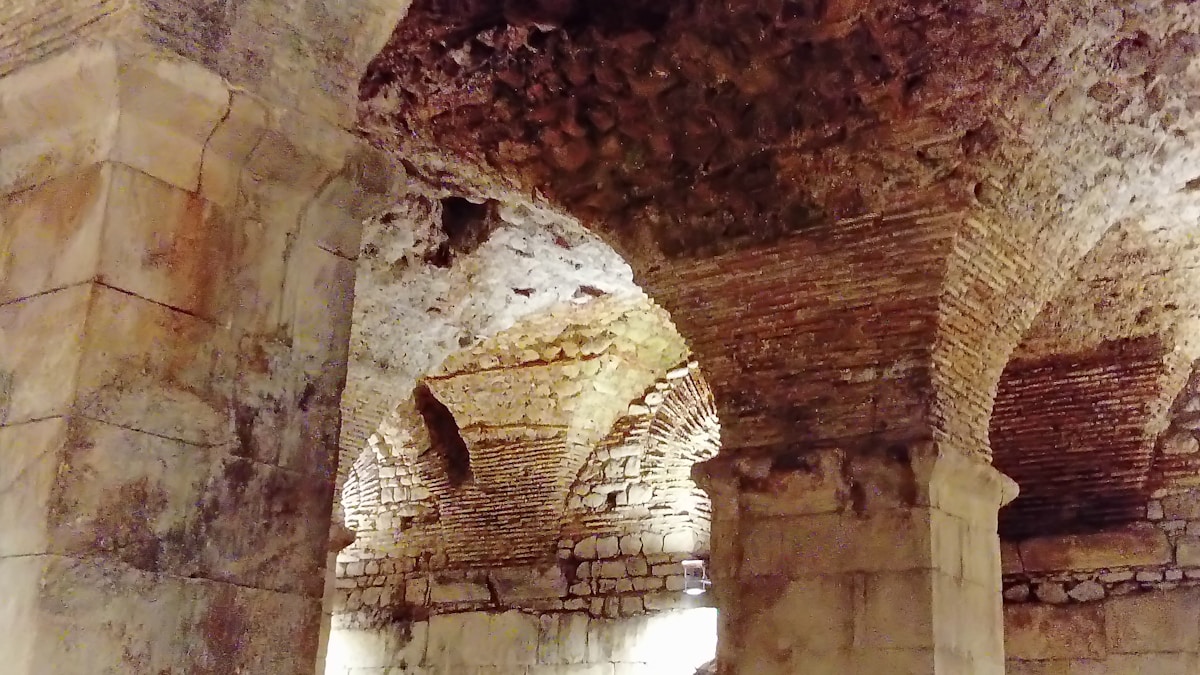
Croatia’s second city and the main ferry hub for island connections. Diocletian’s Palace - a UNESCO site where locals still live and shop - occupies the entire old town. Less polished than Dubrovnik, more lived-in, with a better food and bar scene for longer stays.
Istria
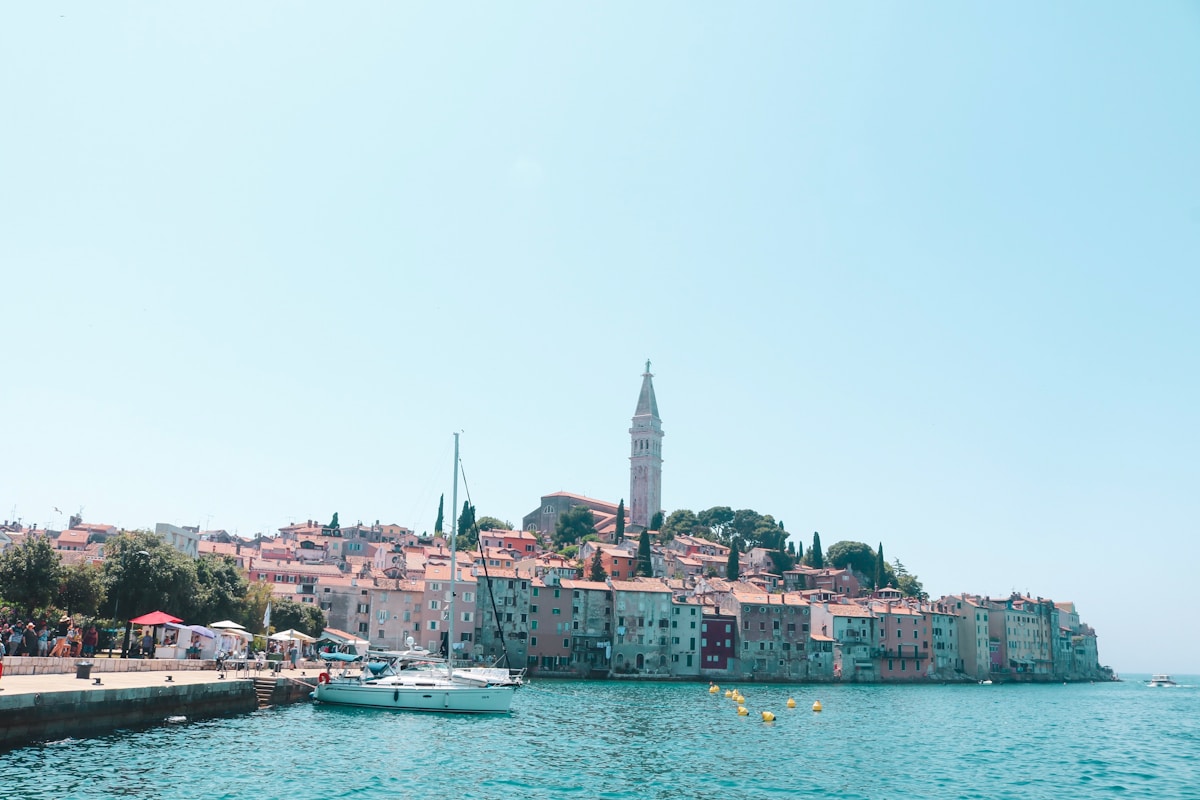
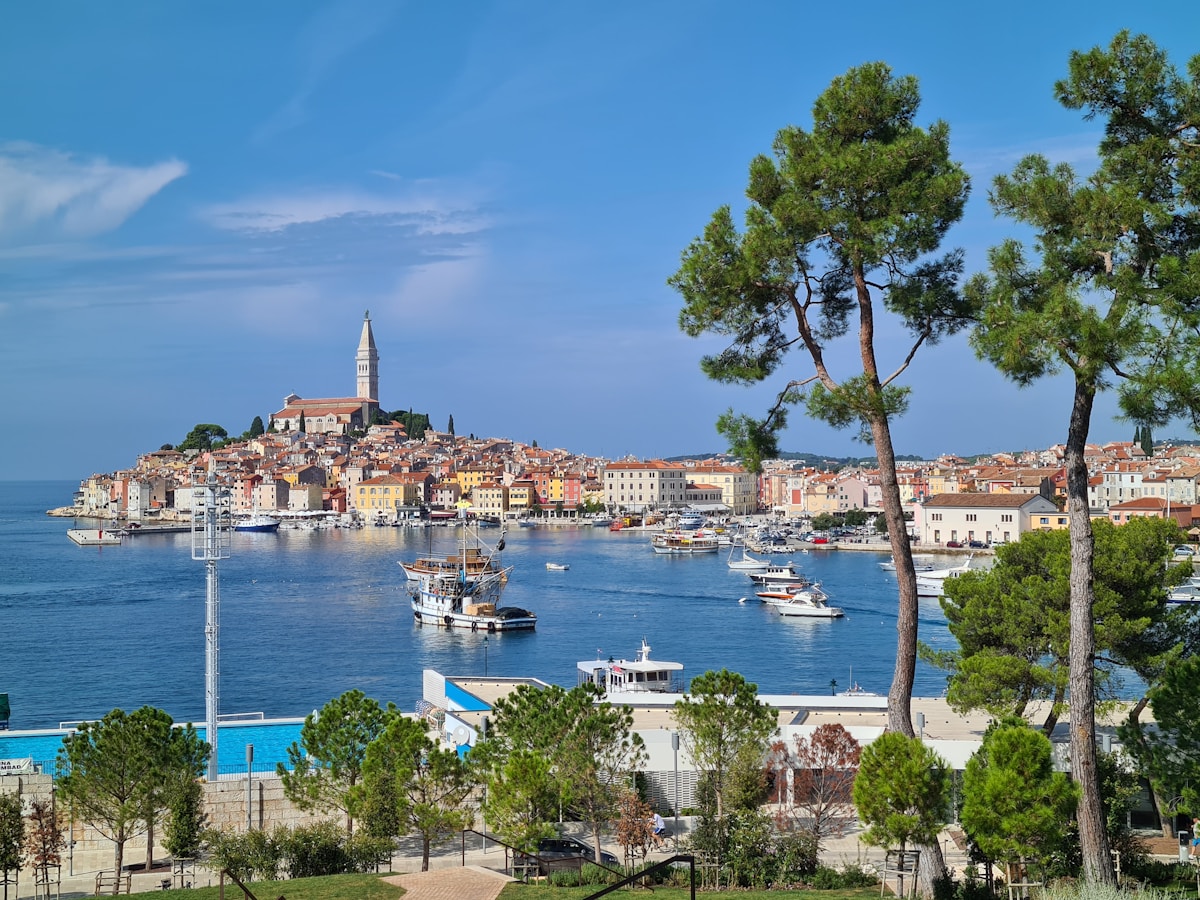
The peninsula in the northwest, with Rovinj as its most atmospheric town and Pula its most historically significant. Truffles, Malvazija white wine, and a strong Italian cultural influence define Istrian food. A different Croatia from the Dalmatian coast.
The Dalmatian Islands
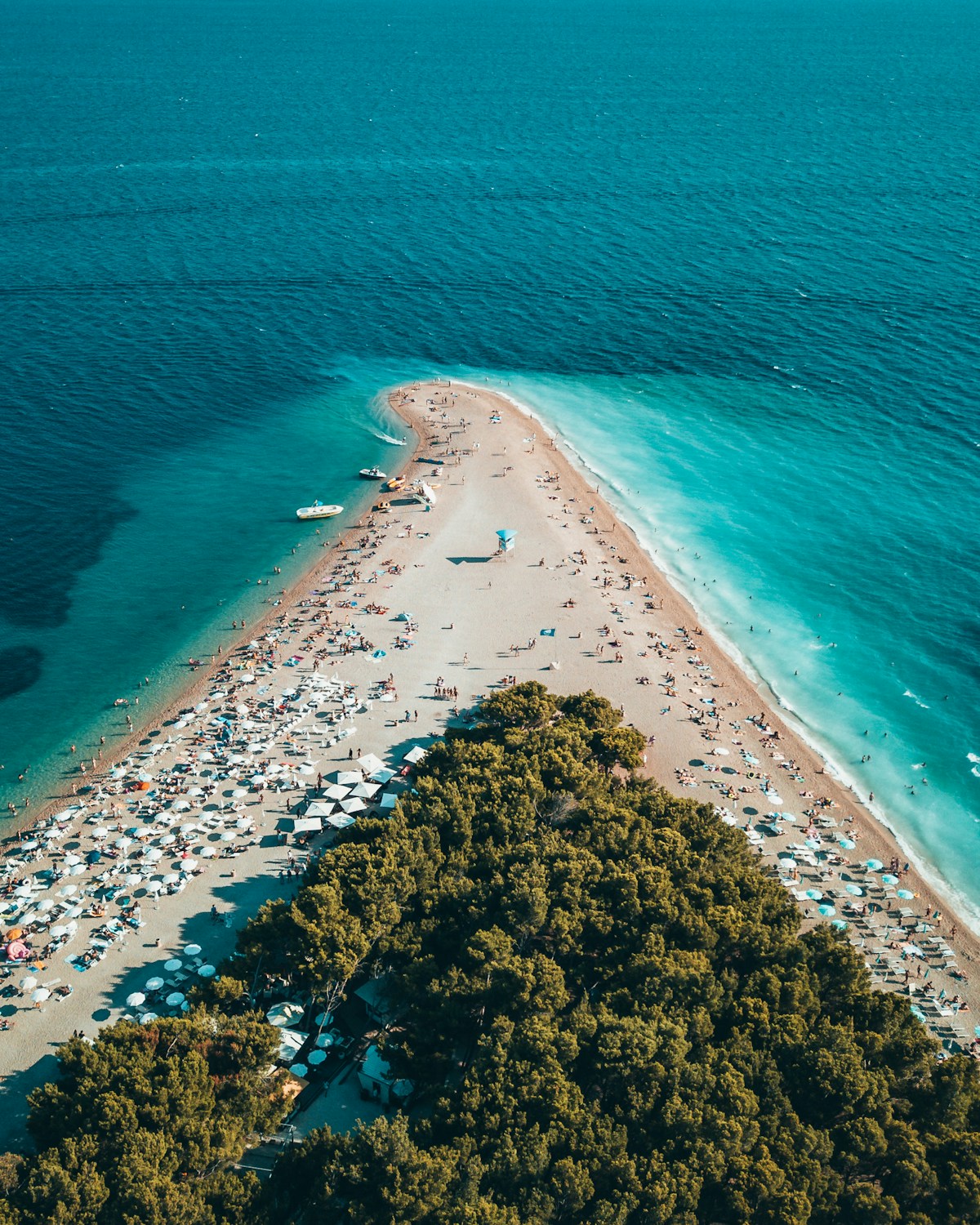
Hvar (the most fashionable), Brač (Zlatni Rat beach), Korčula (linked to Marco Polo), Vis (the least touristy) - reachable by ferry from Split or Dubrovnik. Best suited to beach-focused trips with easy island-hopping in summer.
Zadar
A Roman-era city on the northern Dalmatian coast with the Sea Organ, Greeting to the Sun light installation, and easy access to Plitvice Lakes and Paklenica National Park. Quieter than Split or Dubrovnik, and a natural base for National Park day trips.
When to visit Croatia
- July–August: Peak season - full beaches, full prices, crowds everywhere. Plan well ahead.
- June and September: The best compromise - warm, sunny, fewer crowds than peak.
- May and October: Good for cities and outdoor activities; sea is cooler for swimming.
- November–April: Most island services reduced; Dubrovnik old town is quiet but atmospheric.
Getting around Croatia
- Ferries: Jadrolinija and other operators connect Split to the islands. Book ahead in summer.
- Buses: Long-distance buses connect Dubrovnik, Split, Zadar, Pula, and Rovinj reliably.
- Car: Best for exploring Istria and accessing National Parks. Less useful in Dubrovnik old town. Compare rates at GetRentacar - cross-border permissions are included for most Balkan countries.
- Catamaran: Fast connections between Split, Hvar, and some outer islands.
Practical notes
- Currency: Euro (€) since January 2023
- Language: Croatian; English is widely spoken in tourist areas
- ATMs: Available everywhere; card payment accepted in most restaurants and hotels
- Flights: Dubrovnik, Split, Zadar, and Zagreb are all served by low-cost carriers. Search and compare fares at Aviasales to find the best entry point for your route.
- Airport transfers: Pre-book a fixed-price transfer from Dubrovnik, Split, or Zagreb airports with Welcome Pickups - particularly useful in Dubrovnik where taxis can be expensive.
- Tipping: 10–15% at restaurants is standard but not mandatory
Croatia city and region guides
- Dubrovnik - city walls, Game of Thrones, and Old Town dining
- Split - Diocletian’s Palace, island ferry hub, and Dalmatian food
- Istria - Rovinj, Pula, truffles, and Venetian hill towns
- Dalmatian Islands - Hvar, Brač, Korčula, and Vis
- Zadar - Sea Organ, Roman Forum, and National Park day trips
- Rovinj - Istria’s most photogenic harbour town
Croatia itineraries
Things to do in Croatia
Croatia food guides
See also
- Croatian coast road trip
- 3 days in Dubrovnik
- 10 days in the Balkans
- Sailing in Croatia
- Dubrovnik vs Split
- Kotor vs Dubrovnik
- Ljubljana vs Zagreb
- Best beaches in the Balkans
- Car rental in the Balkans
- Slovenia travel guide
- Montenegro travel guide
- Bosnia and Herzegovina travel guide
- First time in the Balkans
- Balkans travel costs
Book an experience
Top experiences in Croatia
Explore the best tours and activities in Croatia - instant confirmation, free cancellation on most bookings.