Split, Croatia Travel Guide 2026: Diocletian's Palace & Islands
Split travel guide 2026: Diocletian's Palace, ferry hub for Hvar, Brac, and Vis, Klis Fortress day trips, and the best hotels and restaurants in the city.
Guides for Split, Croatia Travel Guide
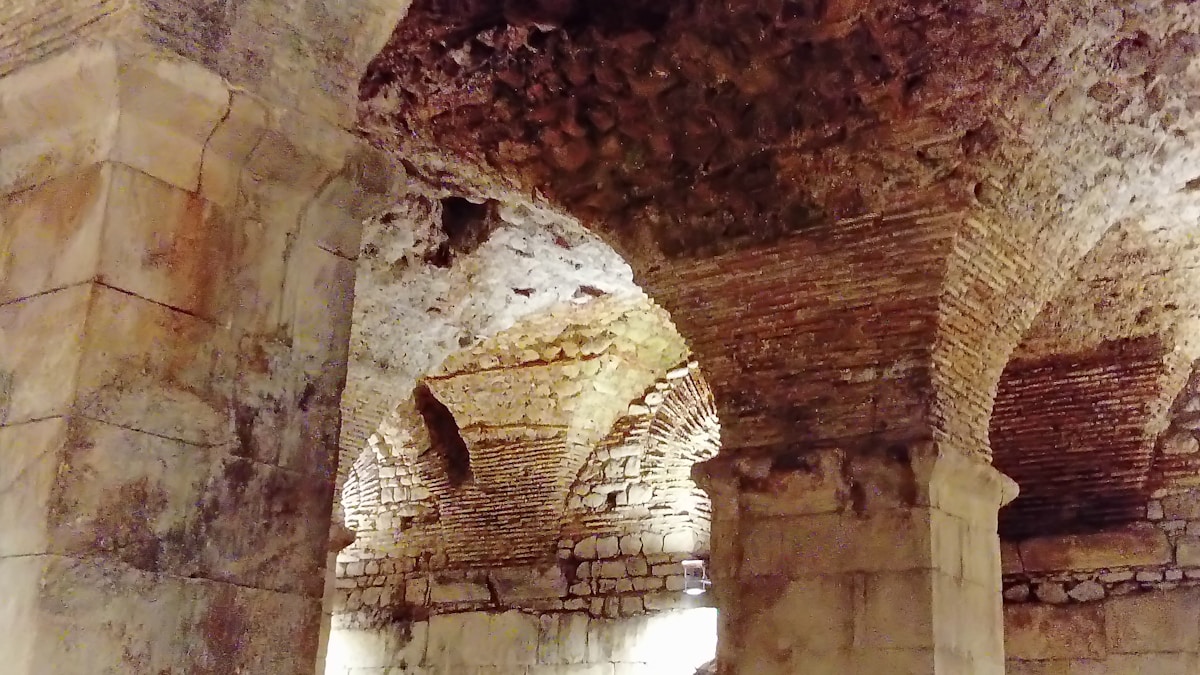
Split is Croatia’s second city and the main gateway to the Dalmatian islands. Its Old Town is built inside and around Diocletian’s Palace - a 3rd-century Roman emperor’s retirement complex that people have lived in continuously for 1,700 years. Less polished than Dubrovnik, more lived-in, and a better base for longer stays. All prices in euros (€).
What makes Split different
Unlike Dubrovnik, Split is a working city with real residents. The Old Town is both a UNESCO heritage site and a place where locals shop, eat, and go to work. The cafés, restaurants, and markets along the Riva (harbourfront promenade) have a day-and-night cycle anchored by Croatian coffee culture - long morning coffees that merge into lunch and evening drinks.
Key sights
- Diocletian’s Palace - the entire Old Town is built within and on top of this Roman complex; free to walk
- Cathedral of St. Domnius - converted from Diocletian’s mausoleum; the bell tower gives panoramic views (€5)
- Peristyle - the central courtyard of the palace; the heart of the Old Town
- Riva harbourfront - the 500m waterfront promenade, lined with cafés and ferry ticket booths
- Meštrović Gallery - a significant collection of work by Croatia’s most important sculptor (€10)
- Klis Fortress - a hilltop fortress above Split, used as Meereen in Game of Thrones (€10)
Day trips from Split
Split is the best base for Dalmatian day trips:
- Hvar: 1 hour by catamaran - the most fashionable island
- Brač (Zlatni Rat beach): 50 minutes by car ferry
- Krka National Park: approx. 1.5 hours by organised bus (€80 including entry)
- Blue Cave (Biševo Island): 3–4 hours by organised speedboat tour (€80–110)
- Vis: 2.5 hours by catamaran
Food and drink
Split’s food scene is stronger than Dubrovnik’s for everyday eating - better value and more variety. Dalmatian classics (pašticada, grilled fish, black risotto, peka) are everywhere; the Riva and the streets behind it have the best café concentration.
Split also has Croatia’s best dedicated vegan restaurant scene outside Zagreb - Barakokula, VEG, and Zrno bio bistro are all serious options.
Where to stay
The best areas are the Old Town (Diocletian’s Palace area), Bačvice (10 minutes’ walk, near the famous picigin beach), and the Meje/Žnjan hotel strip for resort stays.
Getting there and around
- Airport: Split Airport (SPU), 25km from the centre; bus to city €7; taxi €30–40. For a hassle-free arrival, book a Welcome Pickups transfer from SPU to your hotel.
- Ferry terminal: Directly on the Riva - walk off the ferry into the city
- Local buses: Cover most of the city; €1.60 per ride
- Taxis and Uber: Available and more affordable than Dubrovnik
Practical notes
- Currency: Euro (€)
- ATMs: Widely available throughout the city
- Best months: May–June and September - warm, good ferry connections, manageable crowds
- July–August: Very busy; plan ahead; prices higher
Split guides
- Things to do in Split
- Best restaurants in Split
- Best hotels in Split
- Best cafés to work in Split
- Vegan food in Split
See also
- Croatia travel guide
- Dubrovnik
- Croatian coast road trip
- Dubrovnik vs Split
- Sailing in Croatia
- Best beaches in the Balkans
- Day trips from Split
- Split airport transfer
- Split Summer Festival
Plan your trip: Browse guided tours of Split to see what’s available, from walking tours to day trips. Hire a car if you want flexibility for the surrounding area, and cover your journey with Balkans travel insurance.
Book an experience
Top experiences in Split, Croatia Travel Guide
Explore the best tours and activities in Split, Croatia Travel Guide - instant confirmation, free cancellation on most bookings.