Rovinj, Croatia Travel Guide 2026: Old Town, Golden Cape & Istrian Food
Rovinj travel guide 2026: St. Euphemia Basilica, Golden Cape, Lim Fjord, boat trips, and the best hotels and restaurants in this Istrian coastal town.
Guides for Rovinj, Croatia Travel Guide
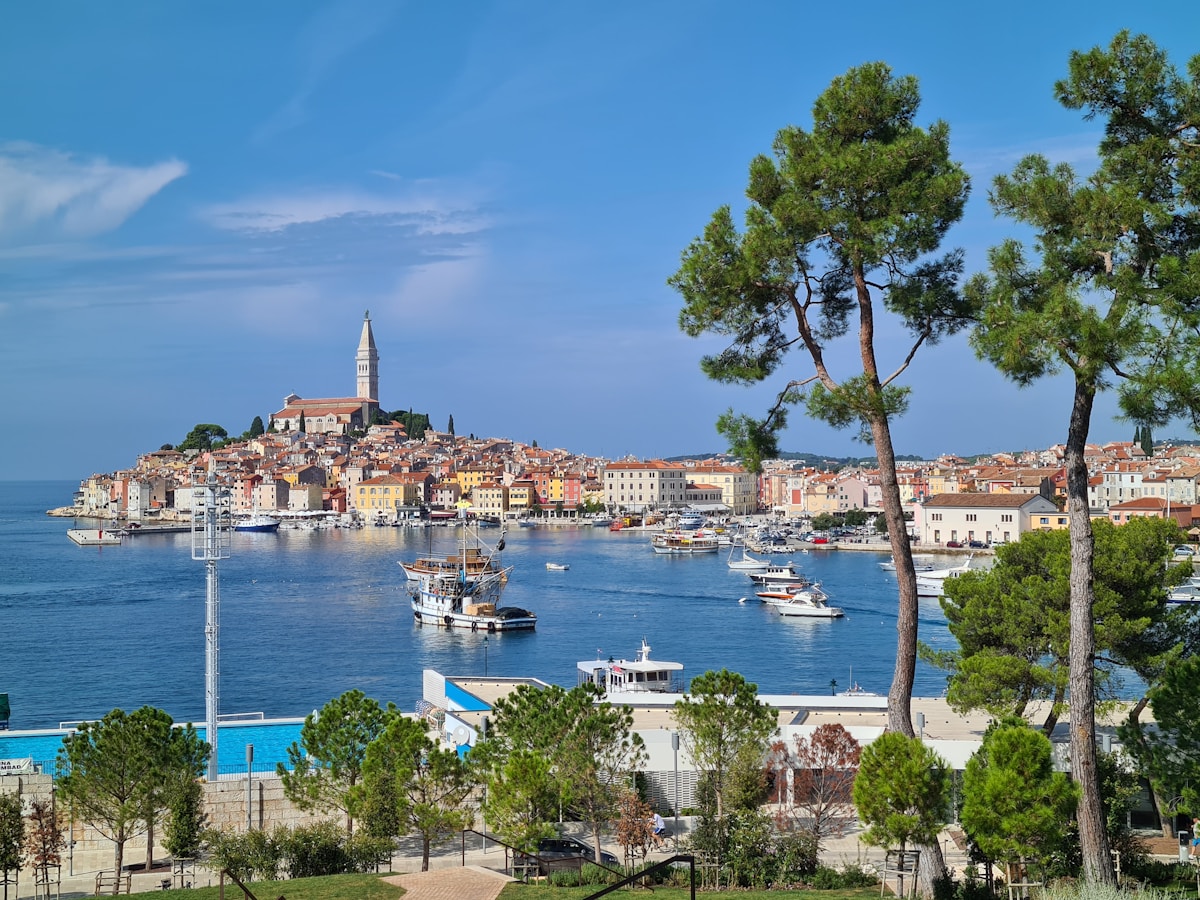
Rovinj is a small peninsula-town on Istria’s western coast with a densely packed Old Town, Italian-influenced architecture, and a Venetian-style harbour. It’s the most photogenic town in Istria - coloured houses rise steeply above fishing boats, and St. Euphemia’s basilica crowns the top of the peninsula. Quieter than Split and Dubrovnik, and better for truffle-and-wine itineraries than anywhere on the Dalmatian coast. All prices in euros (€).
Why Rovinj
Rovinj feels closer to Venice than to Croatian coastal cities in character - narrow alleys, a harbour full of batana fishing boats, and food dominated by Istrian truffles, handmade pasta, and fresh Adriatic seafood. Alfred Hitchcock reportedly called the Zadar sunset the most beautiful in the world; Rovinj makes a similarly strong claim on the atmosphere front.
It also works well as a base: Pula’s Roman amphitheatre is 40 minutes away, the Lim Fjord is nearby for kayaking and boat trips, and Venice is reachable as an ambitious day trip.
Key attractions
- St. Euphemia’s Basilica and bell tower - climb for panoramic views over the peninsula and harbour (€3–5)
- Old Town peninsula and Grisia street - cobbled alleys, coloured houses, Balbi’s Arch; free, best walked in morning or evening light
- Golden Cape (Zlatni Rt / Punta Corrente) - forest park with walking trails and pebbly coves; free entry
- Mulini Beach and Balota Beach - pebbly, clear water; best for morning or early afternoon swims
- Lim Fjord / Lim Channel - fjord-like canal for kayaking and boat trips (€30–70)
- Batana Eco-Museum - local fishing heritage and traditional batana boats (€4)
- Rovinj Heritage Museum - local history and Istrian culture (€3–8)
- Rovinj daily market - fresh produce, local cheese, olives, 7am–2pm
Day trips from Rovinj
- Pula - Roman amphitheatre and city; 40–60 minutes by car or bus (€7 Autotrans bus); amphitheatre entry €10–20
- Venice - by organized excursion; €80–140 per person; best in spring or early autumn
- Motovun hill towns - truffles, vineyards, Mirna valley views; guided truffle and wine tour €40–90
- Lim Fjord - kayak or boat trip €30–70 per person
Where to eat
Rovinj’s food combines fresh Adriatic seafood with Istrian truffles, handmade pasta (fuži, pljukanci), Malvazija white wine, and local pršut. The harbour-side konobas and Old Town trattorias range from casual to Michelin-level.
Where to stay
-
Old Town and harbour: €100–300+ in season; boutique hotels and apartments
-
Mulini and Lone Bay area: €180–700; luxury resort hotels with pools and spa
-
North Rovinj (Amarin area): €70–180; family resort-style, quieter
-
Island Hotel Katarina: €120–180; boat shuttle from harbour, garden, pool
Getting there
- By air: Pula Airport (PUY) - 38km south; Autotrans bus €6–8, 40 minutes; taxi €50–70
- By bus: Connections from Zagreb, Rijeka, and Split; bus station in central Rovinj
- From Trieste: GoOpti shuttle approx. €162; approx. 3 hours
When to visit
- July–August: Peak season - crowded, most expensive, warmest swimming
- June and September: Best months - warm, quieter, best restaurant availability
- May and October: Good for Old Town exploring, truffle season starts in autumn
Rovinj guides
- Things to do in Rovinj
- Best restaurants in Rovinj
- Best hotels in Rovinj
- Best cafés to work in Rovinj
- Vegan food in Rovinj
See also
- Croatia travel guide
- Istria
- Croatian coast road trip
- Best time to visit the Balkans
- Summer Bachata Festival Rovinj
Plan your trip: Browse guided tours of Rovinj to see what’s available, from walking tours to day trips. Hire a car if you want flexibility for the surrounding area, and cover your journey with Balkans travel insurance.
Book an experience
Top experiences in Rovinj, Croatia Travel Guide
Explore the best tours and activities in Rovinj, Croatia Travel Guide - instant confirmation, free cancellation on most bookings.