Soča Valley Slovenia 2026: Emerald River, Bovec & Kobarid
Soča Valley: emerald river, Bovec and Kobarid bases, rafting, canyoning, hiking in Triglav National Park, and the best time to visit.
Guides for Soča Valley Slovenia
The Soča Valley is one of Slovenia’s most intense, compact outdoor experiences. It takes the knife-edge scenery of the Julian Alps, threads them with the ultramarine-green Soča River, and fills the in-between with a dense network of trails, rivers, and adventure-tour operators. For active travellers, Soča is the logical next step after a classic Lake Bled–Ljubljana loop. For photographers and road-trippers, it is a narrow corridor of pools, rapids, and alpine peaks that rewards slower exploration.
Where the Soča Valley is
The Soča Valley runs from the Julian Alps and the spring of the Soča River near Trenta all the way to Nova Gorica and across the border into Italy, following the Soča River through towns like Bovec, Kobarid, Tolmin, and Kanal. The valley is part of the wider Julian Alps and Triglav National Park region.
For a first-time trip, it helps to think of the valley as a long, narrow strip of intense nature - not a flat plateau or a random cluster of lakes. Bovec is the main upper-valley hub and action-sports base, while Kobarid, Tolmin, and Kanal are mid-valley towns with their own distinct personalities.
Why the Soča Valley stands out
A few things make Soča genuinely different from other Alpine destinations:
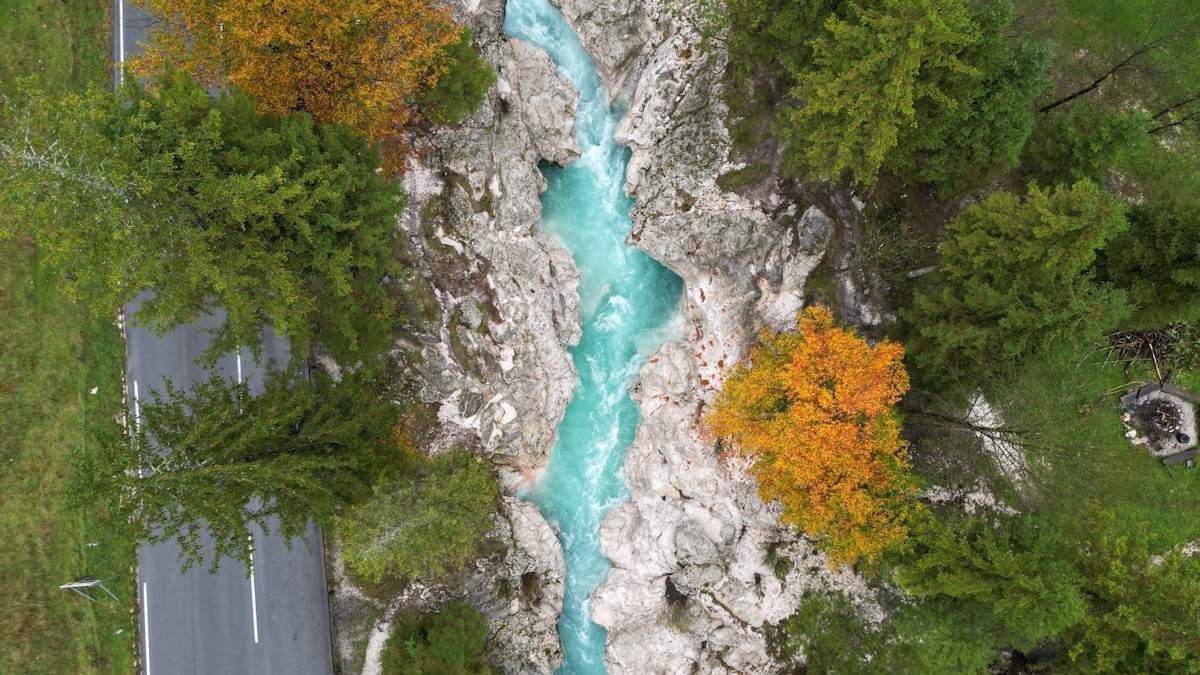
- The Soča River itself, with its famously emerald-blue or turquoise-green water that looks almost unreal in photos
- Its position inside or next to Triglav National Park, Slovenia’s only national park
- The density of outdoor activities - rafting, canyoning, kayaking, hiking, cycling, and ziplines all packed into a relatively small area
- The mix of outdoor adrenaline and food culture, especially around Kobarid, which is one of the standout culinary spots in the country
This makes Soča especially good for short, very active trips focused on water sports and hiking, and for multi-day road trips that combine Ljubljana, Lake Bled, and a two-to-four-day valley stop.
Activities overview
The valley’s activity menu is led by whitewater rafting on the Soča River - the signature experience, with 2–3 hour tours on roughly 10 km of river starting from around £54–£59 per adult. Canyoning in the Učja and Fratarica gorges is the next step up in intensity, with multi-hour adventures that include jumps, slides, and rappelling (typically above £90 per person). The Bovec zipline in the Učja canyon is repeatedly described as one of the longest in Europe, starting around £65 per adult.
For hiking, the Soča Trail starts at the river source near Trenta and runs to Bovec. The Kobarid Historical Trail - a roughly 8 km, 4-hour walk - links the Kobarid Museum, Italian Charnel House, Kozjak Waterfall, and Napoleon Bridge, combining history with scenery in a way that most first-time visitors find genuinely worthwhile.
For full details on all activities, waterfalls, and how to structure your days, see our Soča Valley things to do guide.
Base towns: Bovec, Kobarid, Tolmin
Bovec is the classic action base. It has the highest concentration of rafting, canyoning, and zipline operators, plus access to the upper-valley waterfalls (Boka, the Great Gorge). The atmosphere is lively and sport-oriented.
Kobarid has a more cultural-plus-food reputation. The Kobarid Historical Trail, the Kozjak and Virje Waterfalls, and the Kobarid Museum are all here. The food scene is strong - Kobarid regularly appears on Slovenia’s culinary map - and the vibe is noticeably quieter than Bovec.
Tolmin and Kanal are calmer, river-front-focused bases useful for gentler days of walking, swimming, and café-sitting. Tolmin also hosts several summer festivals.
For accommodation details including specific hotels, apartments, and guesthouses in each town, see our Soča Valley where to stay guide.
How long to spend
- 2–3 days for a focused stop: one day for rafting or canyoning, one day for a big hike, one day for a more relaxed river walk or driving the valley
- 4–5 days if you want to deepen the hiking, add more activities, and spend time in both upper and mid-valley towns
A common larger Slovenia structure: Ljubljana and/or Lake Bled → Soča Valley (2–4 days) → drive onward toward the coast or return via Bled.
Best time to visit
Late spring through early autumn is the practical sweet spot:
- The river is high enough for rafting and canyoning but usually not dangerous
- Trail conditions in the Julian Alps are manageable
- Temperatures are comfortable for swimming and SUP
Summer brings the most crowded season but also the fullest range of organised tours and open operators.
Practical tips
- Book rafting and canyoning in advance in high season - operators fill quickly
- Bring good shoes and layers; the valley can be hot by the river but cold and wet in higher trails and gorges
- Decide early whether you want adrenaline-heavy days or slower scenic ones, then choose Bovec versus Kobarid/Tolmin accordingly
- Use the valley driving route as a backbone for a wider Slovenia loop (Trenta → Bovec → Kobarid → Tolmin → Kanal → Nova Gorica) rather than treating Soča as an isolated stop
See also
- Slovenia travel guide
- Lake Bled
- Ljubljana
- Hiking in the Balkans
- National parks in the Balkans
- Soča Outdoor Festival
Plan your trip: Browse adventure tours in the Soča Valley to see what’s available, from walking tours to day trips. Hire a car if you want flexibility for the surrounding area, and cover your journey with Balkans travel insurance.
Book an experience
Top experiences in Soča Valley Slovenia
Explore the best tours and activities in Soča Valley Slovenia - instant confirmation, free cancellation on most bookings.