Ljubljana Travel Guide 2026: Slovenia's Green Capital
Ljubljana travel guide 2026: Old Town, Ljubljana Castle, river cruises, the Christmas market, and day trips to Lake Bled and Predjama Castle.
Guides for Ljubljana Travel Guide
Ljubljana is the kind of capital that feels like a small city with the ambition to be more. It sits on the Ljubljanica River in central Slovenia, between the Julian Alps and the Karst, and is usually the first real city a visitor encounters after arriving in the country. The city is compact, highly walkable, and very green - it was named the European Commission’s Green Capital of Europe in 2016 and is known for restricting car traffic in the centre so that the riverbanks and old-town squares genuinely belong to pedestrians and cyclists.
What Ljubljana is like
Ljubljana’s character is best summed up as liveable, green, and compact. It is the capital and largest city of Slovenia, the country’s cultural, educational, political, and economic hub, sitting in a natural basin between the Alps and the Karst. Key traits:
- A pedestrian-friendly old town around the river with bridges, small squares, and riverfront cafés
- A strong emphasis on green spaces, including Tivoli Park and the Botanical Gardens, just a short walk from the centre
- A mix of Austrian-style Baroque and Renaissance architecture with distinctive modern structures by architect Jože Plečnik, whose bridges and public spaces define much of the city’s look
Because the city is small and centrally positioned, it is also the easiest base for exploring other parts of Slovenia, especially Lake Bled and the Julian Alps.
Best areas in Ljubljana
Most visitors never need to leave the central core, because the river, main square, and old town are all within easy walking distance of each other. Sights cluster either along Slovenska cesta or in the Old Town straddling the Ljubljanica River, with museums and galleries spread just to the west.
- Old Town and riverfront areas are best if you want to sleep very close to bridges, cafés, and river-cruise stops
- Trubarjeva Cesta and the western quarter suit travellers who like a livelier bar and street-art scene while still being close to the historic core
- Trnovo and Krakovo, south of the centre, feel more residential and are typically cheaper while still within a 15-minute walk
For a full breakdown of neighbourhoods and specific hotel recommendations, see our Ljubljana where to stay guide and best hotels in Ljubljana.
Top sights and things to do
Ljubljana Old Town and bridges
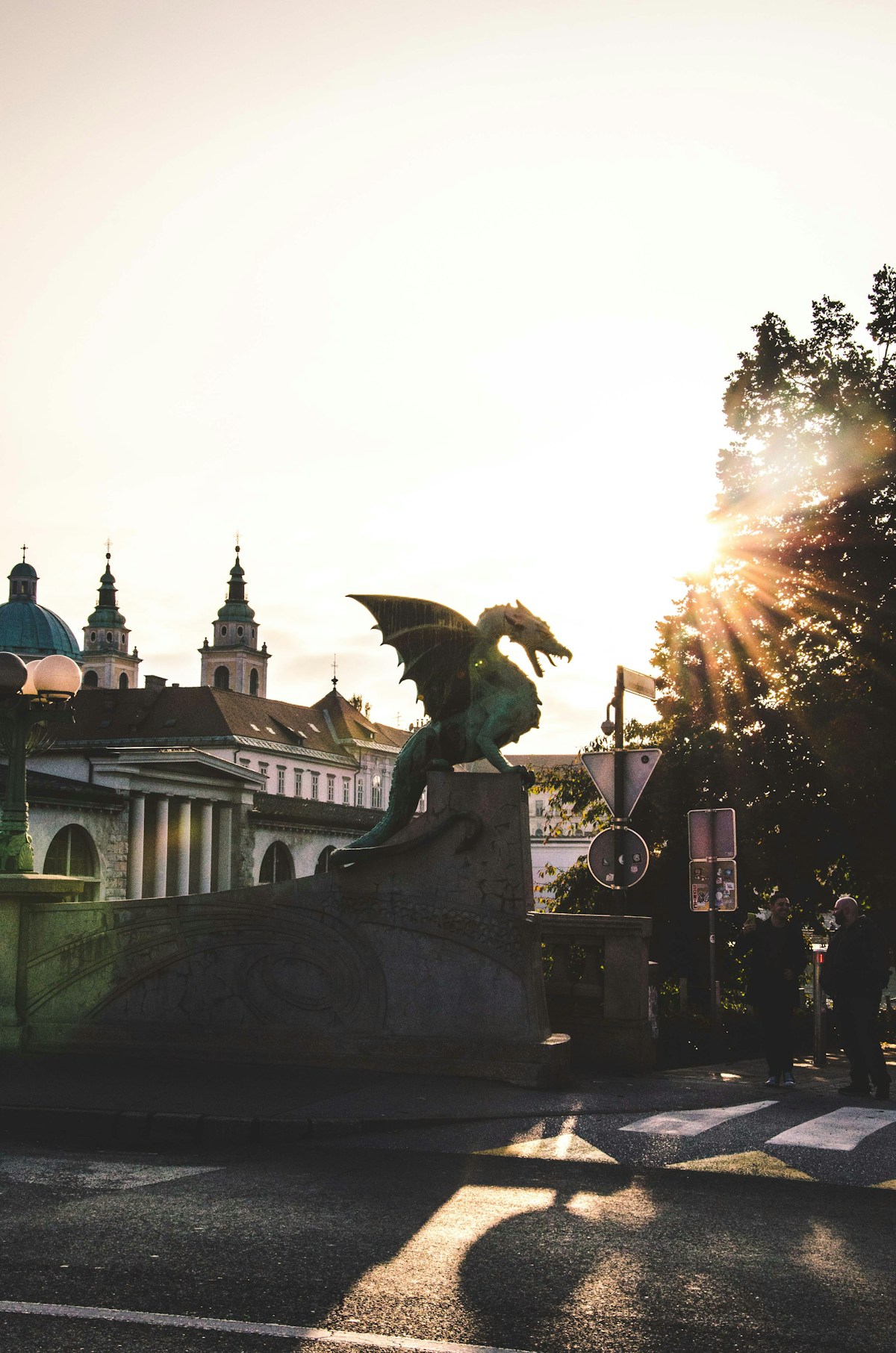
The heart of the city is the Old Town along the Ljubljanica River, with signature bridges and squares. The Triple Bridge (Tromostovje) is the most famous - three side-by-side bridges reshaped by Plečnik, often used as a meeting point. The Dragon Bridge, Cobblers’ Bridge, and other historic bridges extend the walkable riverside scene.
Walking the riverbanks and crossing these bridges is the simplest way to get oriented, and it is easy to spend a couple of hours weaving through alleys, cafés, and small boutiques.
Ljubljana Castle
Perched on a hill above the city, Ljubljana Castle is the main visual landmark visible from almost every angle in town. You can walk up or take the funicular, then explore the grounds, ramparts, and lookout tower for panoramic views.
Castle entry is about €19 for adults (€13.50 for concessions); the castle plus funicular return is €23 for adults. Plan 1.5–2 hours if you want to go up the tower and explore the history exhibitions.
River cruises and the riverfront
Boat tours and river cruises are popular, especially in the evening. Combined boat-and-walking-tour options start from roughly £26 per adult. The riverbanks along Cankarjevo nabrežje are the main strip for cafés and restaurants and are particularly lively in warm weather.
Markets and food culture
The Central Market, designed by Plečnik, runs along the river between the Triple Bridge and the Fish Market, with stalls selling fresh vegetables, sausages, honey, and regional wines. The Open Kitchen (Odprta Kuhna) on Pogačarjev trg runs every Friday afternoon with local chefs and food producers serving generous tasting portions at roughly €5–€8 per dish.
For full food coverage including restaurant recommendations, see our Ljubljana food guide and best restaurants in Ljubljana.
Parks: Tivoli and the Botanical Gardens
A short walk from the centre brings you to Tivoli Park and the Botanical Gardens, which give Ljubljana a green-space advantage over many other small capitals. Tivoli Park is large enough to feel like a real escape, with walking paths, greenhouses, and small museums inside.
For more on sights, tours, quieter spots, and day trips, see our Ljubljana things to do guide.
Ljubljana as a base for Slovenia
Ljubljana is more than a standalone city break - it is one of the easiest bases for exploring the rest of the country. From Ljubljana you can:
- Take a short train or bus to Lake Bled (roughly 1–2 hours) for a classic day trip that includes the lake, Bled Castle, and an optional boat ride to the island church
- Join organised day trips that combine Lake Bled, Lake Bohinj, Postojna Cave, and Predjama Castle in one long day, priced around £110–£115 per person
- Drive to the Soča Valley for a 2–4 day adventure leg that combines rafting, canyoning, and hiking
This makes Ljubljana a strong choice if you want 1–3 nights in the capital and then use it as a launchpad for the Julian Alps and karst-cave regions.
Practical tips
- Walk first, then transit. The city is small, and the river and old town are best on foot.
- Use Prešeren Square as a mental anchor point - many tours, guides, and events start or pass through it.
- Take advantage of free or low-cost walking tours as your first activity; they reduce the learning curve on both history and logistics significantly.
- If you are planning a Lake Bled day trip, book a tour operator or reserve a train or bus seat in advance in peak season.
- Working remotely: Ljubljana has a strong café culture; see our best cafes to work in Ljubljana guide for reliable wifi spots.
See also
- Slovenia travel guide
- Lake Bled
- Soča Valley
- Ljubljana vs Zagreb
- Balkans digital nomad guide
- 3 weeks in the Balkans
- Day trips from Ljubljana
- Food tours in Ljubljana
- Where to stay in Ljubljana
- Ljubljana airport transfer
- Ljubljana Festival
Plan your trip: Browse guided tours of Ljubljana to see what’s available, from walking tours to day trips. Hire a car if you want flexibility for the surrounding area, and cover your journey with Balkans travel insurance.
Book an experience
Top experiences in Ljubljana Travel Guide
Explore the best tours and activities in Ljubljana Travel Guide - instant confirmation, free cancellation on most bookings.