Slovenia Travel Guide 2026
Plan your trip to Slovenia: highlights, regions, Lake Bled, Ljubljana, and Triglav covered with transport, costs, and practical travel planning.
Cities & regions
Country guides
Slovenia is one of Europe’s most compact but visually rich countries. It runs from the Julian Alps and the Pannonian plains straight down to a tiny Adriatic coast, so a short trip usually feels like three mini-countries rolled into one: mountains, lakes, forests, and then suddenly a little Italian-flavoured seaside town. The country is small - about 20,300 km² and around 2.1 million people - but the density of scenery and outdoor options is high, which is why many visitors come for a relatively short stay and still feel they saw a lot.
What makes Slovenia special
Slovenia’s biggest draw is its combination of landscapes and scale. From the capital Ljubljana you can be in the Julian Alps within a couple of hours; from there you can drive down to the coast and Piran in another couple of hours. That makes Slovenia unusually good for:
- Mixed-style itineraries combining city, hiking, lakes, and sea
- Active travellers who enjoy hiking, cycling, and river-based activities
- A compact European destination that feels more relaxed than overcrowded hubs
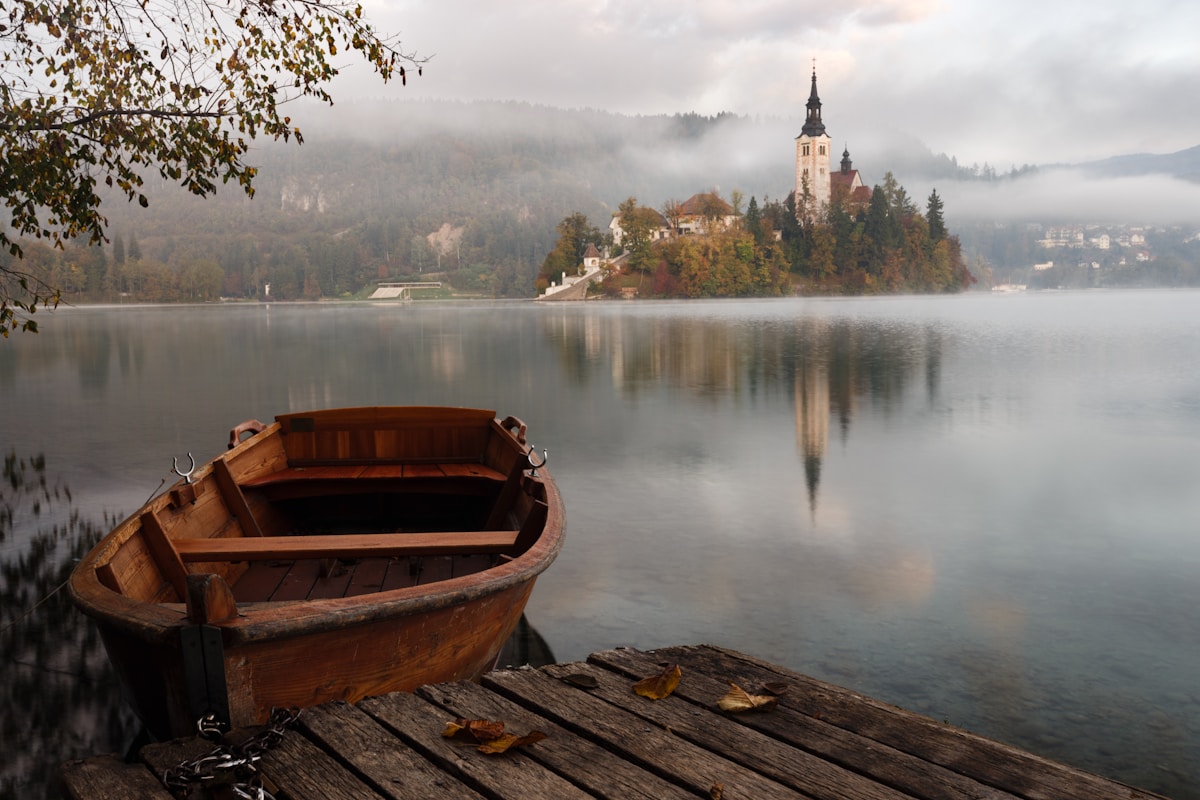
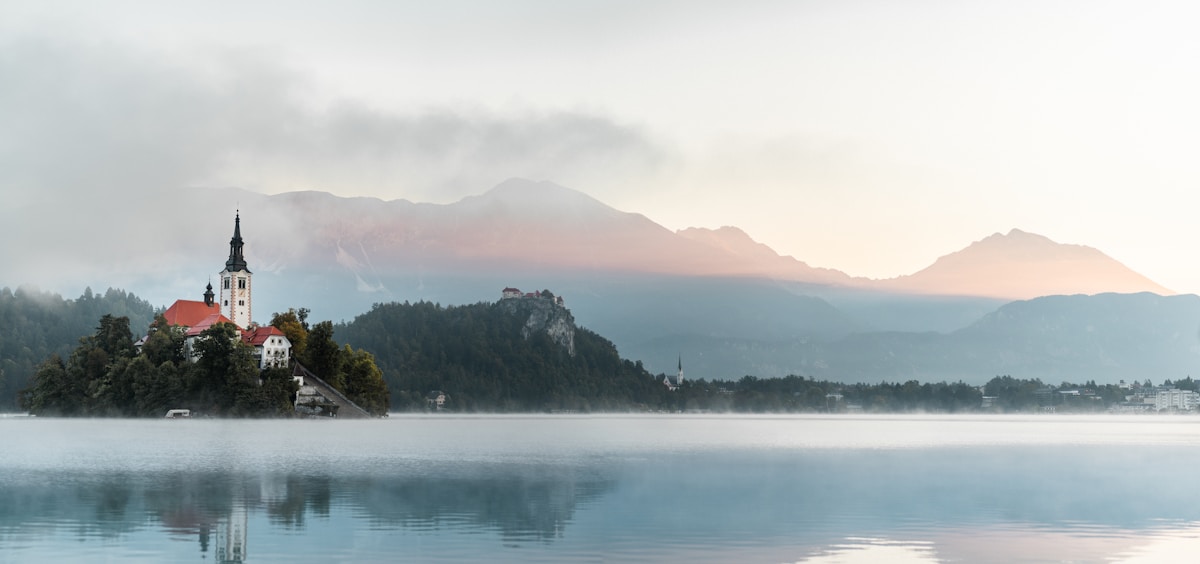
Lake Bled perfectly captures Slovenia’s image: a small island church, a castle perched on a cliff, and the Julian Alps as a backdrop, all in one framed view.
Main travel regions
Most visitors break Slovenia into a few key regions that appear repeatedly in travel guides and overviews.
Ljubljana and central Slovenia
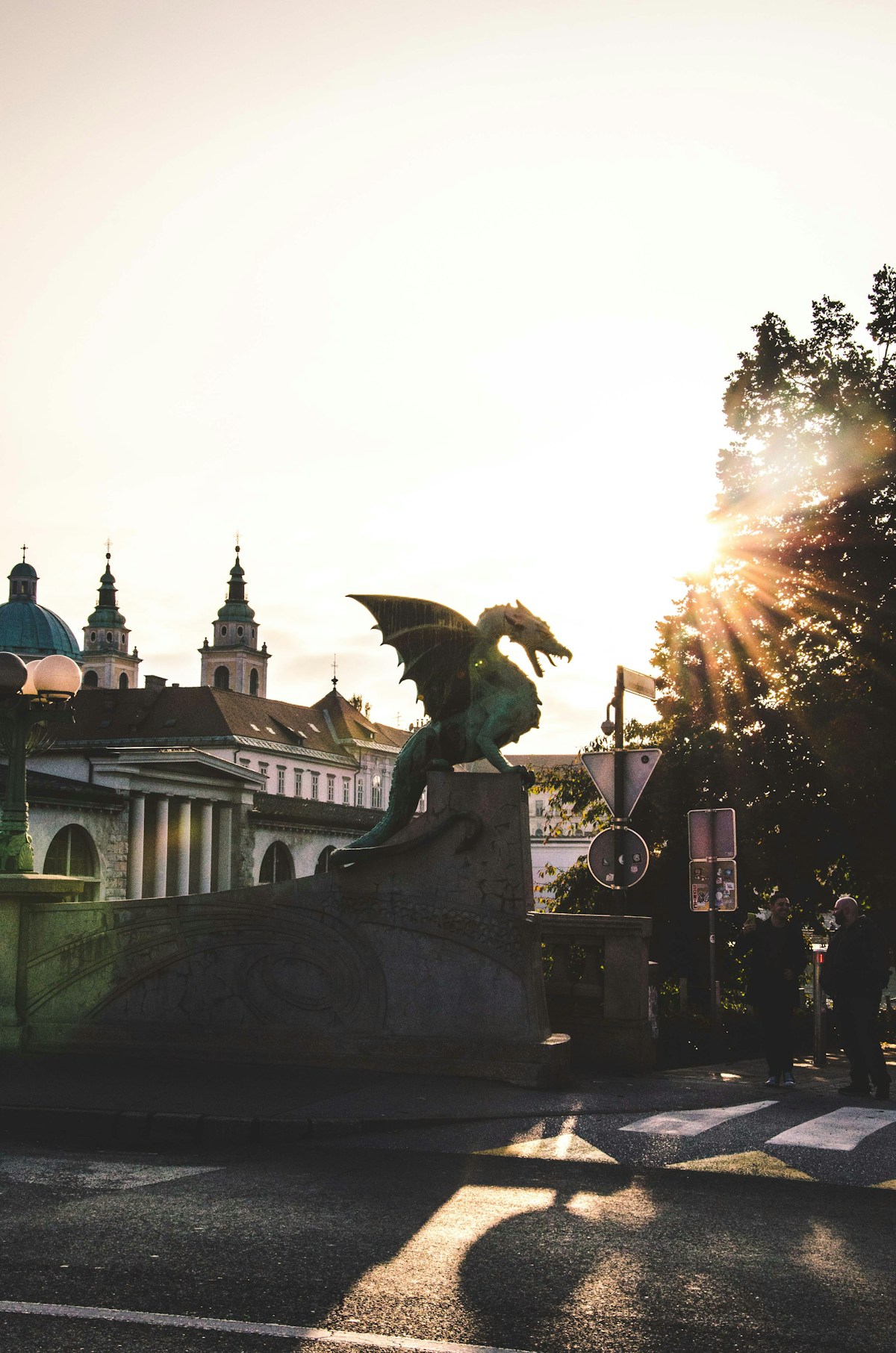
Ljubljana, the capital, works as both a city break and a gateway to the countryside. It sits near the centre of the country, combines green spaces with a compact old town, and is the most practical base for day trips to Lake Bled and Lake Bohinj. Towns like Kranj and Celje are useful if you want to venture slightly off the main tourist path.
Alpine and lake areas
The Julian Alps, Lake Bled, Lake Bohinj, and Triglav National Park form the core of Slovenia’s hiking and scenery reputation. These areas are strongest for:
- Gentle lakeside walks at Bled and Bohinj
- More serious hiking and via ferrata in Triglav National Park
- Photography-driven day trips from Ljubljana
Karst and caves
The karstic Dinaric region includes Slovenia’s famous cave systems. There are over 10,000 caves in the country, with Postojna Cave as the most visited. The karst region offers cave tours and underground landscapes - a very different flavour from the Alps and the coast. Timed entry for Postojna Cave sells out weeks in advance in summer - book early.
The Soča Valley
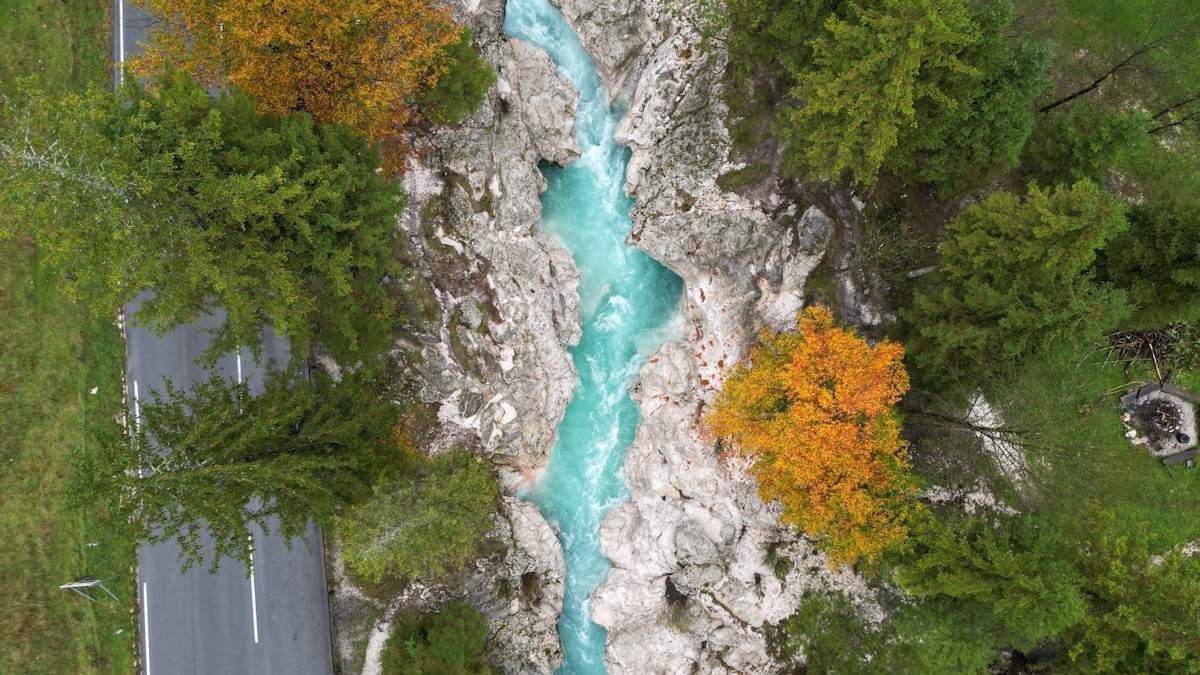
The Soča Valley is one of Slovenia’s most intense outdoor experiences. The emerald-green Soča River threads through the Julian Alps from the upper valley near Trenta all the way to Nova Gorica, with Bovec, Kobarid, and Tolmin as the main bases. It is the go-to region for rafting, canyoning, hiking, and scenic driving.
Coastal Slovenia
Slovenia’s coastline is short - about 46 km - but the Slovene Littoral and towns like Piran and Portorož give the country a small but distinct Mediterranean edge, with Venetian-style architecture and a slower pace.
Food, wine, and local flavour
Slovenia is a food-lover’s country that tends to hide in plain sight. It pulls influences from the Alps, the Pannonian plains, and the Adriatic, so a short trip can feel like a tasting tour of three different European food cultures. Slovenian wine is also worth your attention - the country has roughly one vineyard per 70 people, with strong local wine culture especially in the Goriška Brda and Vipava Valley regions.
For the full picture of what to eat, see our guide to the best food in Slovenia. Vegan and vegetarian travellers are also well catered for, particularly in Ljubljana - see our vegan food guide for Slovenia.
Ljubljana as a base
Ljubljana is the most practical first-time base in Slovenia. The city is compact, pedestrian-friendly around the river centre, and layered with greenery. For a short trip, a good structure is:
- One or two days in Ljubljana (old town, riverfront, Tivoli Park, cafés)
- A day trip north to Lake Bled and Bled Castle
- Optionally, another day to Lake Bohinj or a deeper hike into the Julian Alps
That pattern is so common it almost defines the classic Slovenia trip for first-time visitors.
How long to spend in Slovenia
Slovenia is small enough to cover a lot quickly, but varied enough that you do not want to rush Alpine-to-coast days. Typical recommendations:
- 3–4 days for a compact Ljubljana + lakes + light hiking trip
- 5–7 days if you want deeper hikes, a proper coastal day, wine-country exploration, or a slower pace
A common pattern:
- 1–2 nights in Ljubljana
- 1–2 nights near Lake Bled or Lake Bohinj
- 1–2 nights in the coastal area or the Soča Valley if you want the full range
Practical tips
- Use Ljubljana as your base for most first-time trips and day-trip outward from there - Ljubljana Airport is about 25 km from the city centre; pre-book a fixed-price transfer with Welcome Pickups to avoid taxi queues on arrival
- Plan for a day trip to Lake Bled early in your stay - it is the most popular excursion in the country
- Decide early whether you want gentle lake walks or proper Alpine hikes, and build your transport and accommodation accordingly
- The Soča Valley rewards a 2–4 night stop for anyone who wants serious outdoor activity beyond what Bled offers
Slovenia city and region guides
Slovenia food guides
See also
- Ljubljana vs Zagreb
- Hiking in the Balkans
- Skiing in the Balkans
- 3 weeks in the Balkans
- Balkans without a car
- Croatia travel guide
- Austria → Balkans connections
- Getting around the Balkans
- Best time to visit the Balkans
- Balkans travel costs
- Balkans visa guide
Plan your trip: Browse tours and activities across Slovenia. Search flights to Slovenia and compare prices early - booking ahead saves money. Hire a car for flexibility between destinations, and don’t forget travel insurance.
Book an experience
Top experiences in Slovenia
Explore the best tours and activities in Slovenia - instant confirmation, free cancellation on most bookings.